
Headlight restoration in Stow
Stow runs on back roads, and back roads in a New England winter get sand more than salt. Sand is what leaves a lens dull. We come to your driveway off Route 117 or Gleasondale Road, restore both lenses in about an hour, and the car never moves.
- About 40 minutes from our Hubbardston base
- Fully mobile, we come to you anywhere in Stow, 24/7
- Full restoration with a ceramic coating that bonds to the lens
- Restored or It's Free guarantee, clear or you don't pay
- Most vehicles done in about an hour
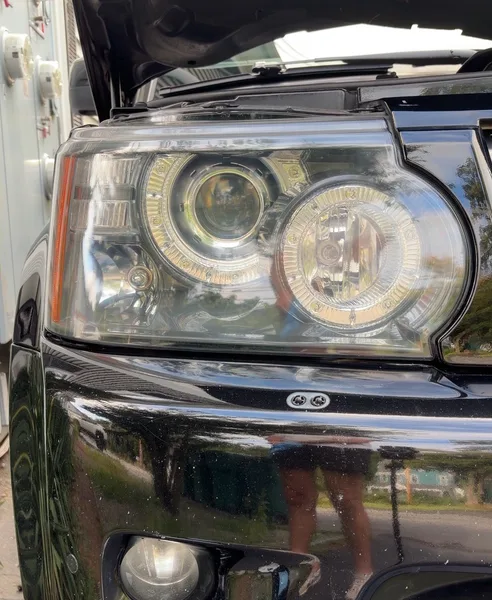
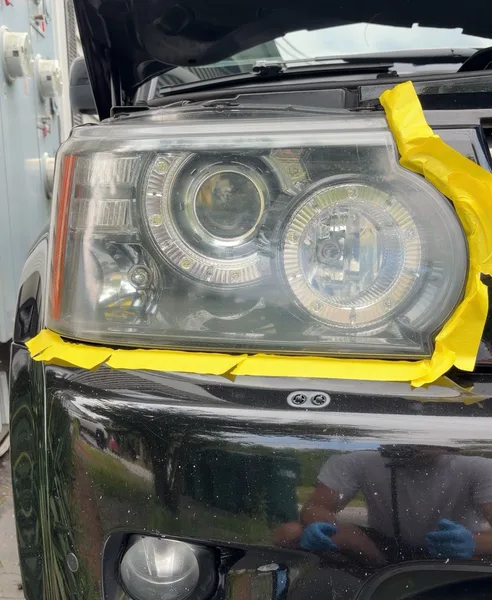
Back road grit is what dulls Stow lenses
There's a difference between a highway lens and a Stow lens. Highway damage is chemical, brine mist eating at the surface. Back road damage is physical, grit thrown up and ground into the plastic. Stow gets both, plus a full summer of sun on cars sitting in the open at the orchards, the golf course, and the airfield. The damage stacks in layers. Restoration removes those layers, then bonds a ceramic coating to the fresh surface so the next winter hits the barrier instead of bare plastic. Both headlights, $269, about an hour.
See what's included on our pricing page, or read how the full restoration process works. The price is the same everywhere we go, and it's backed by our Restored or It's Free guarantee. Want to see the standard first? The before and after page is all our own work.
Where we work in Stow
We come to you anywhere in Stow, including near Honey Pot Hill Orchards, Stow Acres Country Club, Minute Man Air Field, Lake Boon, Route 117, and Assabet River. Driveways, condo lots, office parks, and street spots all work. We bring our own water, power, and lighting.
Stow questions, answered
How soon can you be in Stow?
About 40 minutes from our Hubbardston base. Same day service is usually available, any hour.
Can you come to the golf course or the airfield lot?
Yes. If the car is parked and we can reach the front of it, we can work. Club lots, workplace lots, and long private drives are all the same to us.
Will sand scuffing come out, or is it too deep?
Almost always it comes out. Sand damage sits in the outer layer of the lens, which is exactly the layer we remove. We read the depth before we start and tell you upfront if a lens is past restoring.